

As a supplier of CNG Pressure Relief Pry, I have witnessed firsthand the importance of these systems in ensuring the safety and efficiency of compressed natural gas (CNG) operations. However, like any complex equipment, CNG Pressure Relief Pry can fail, leading to potential safety hazards and operational disruptions. In this blog post, I will explore the common causes of CNG Pressure Relief Pry failure and provide insights on how to prevent them.
1. Overpressure due to Inadequate System Design
One of the primary causes of CNG Pressure Relief Pry failure is overpressure resulting from inadequate system design. When the pressure relief system is not properly sized or configured, it may not be able to handle the maximum pressure that the CNG system can generate. This can occur if the design does not take into account factors such as the rate of gas flow, the volume of the storage tanks, and the potential for pressure spikes.
For example, if a CNG station experiences a sudden increase in demand, the pressure in the system can rise rapidly. If the pressure relief system is not designed to handle this increase, it may not open in time, leading to overpressure and potential damage to the equipment. To avoid this, it is essential to have a detailed understanding of the CNG system's operating conditions and to consult with experienced engineers when designing the pressure relief system.
2. Component Failure
Another common cause of CNG Pressure Relief Pry failure is component failure. The pressure relief system consists of several components, including relief valves, pressure gauges, and piping. These components are subject to wear and tear over time, and if they are not properly maintained, they can fail.
Relief valves, for instance, are critical components of the pressure relief system. They are designed to open automatically when the pressure in the system exceeds a certain level. However, if the valve is blocked or damaged, it may not open when needed, leading to overpressure. Regular inspection and maintenance of relief valves are essential to ensure their proper functioning.
Similarly, pressure gauges are used to monitor the pressure in the system. If the gauge is inaccurate or fails, it can provide false readings, making it difficult to detect overpressure situations. Therefore, it is important to calibrate pressure gauges regularly and replace them if they are damaged or malfunctioning.
3. Corrosion and Erosion
Corrosion and erosion are also significant factors that can contribute to CNG Pressure Relief Pry failure. The CNG system operates in a high-pressure and often moist environment, which can accelerate the corrosion of metallic components. Corrosion can weaken the structural integrity of the system, making it more prone to failure.
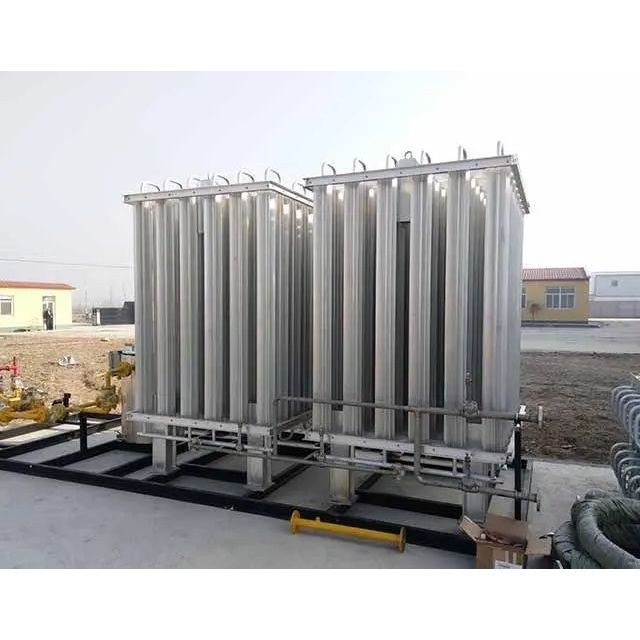

Erosion, on the other hand, can occur due to the high-velocity flow of gas through the piping. The abrasive nature of the gas can wear away the inner surface of the pipes, leading to leaks and potential pressure relief system failure. To prevent corrosion and erosion, it is important to use high-quality materials that are resistant to these effects and to implement a regular inspection and maintenance program.
4. Improper Installation
Improper installation is another common cause of CNG Pressure Relief Pry failure. If the pressure relief system is not installed correctly, it may not function as intended. This can include issues such as incorrect piping connections, improper valve orientation, and inadequate support for the components.
For example, if the relief valve is installed upside down or at the wrong angle, it may not open properly. Similarly, if the piping is not properly supported, it can vibrate and cause damage to the components. To ensure proper installation, it is important to follow the manufacturer's guidelines and to have the installation performed by qualified technicians.
5. Lack of Regular Maintenance
Lack of regular maintenance is a major contributor to CNG Pressure Relief Pry failure. Regular maintenance is essential to keep the pressure relief system in good working condition. This includes tasks such as inspecting the components for wear and damage, cleaning the valves and piping, and testing the system's functionality.
Without regular maintenance, small issues can go undetected and escalate into major problems. For example, a small leak in the piping can gradually worsen over time, leading to a significant loss of gas and potential pressure relief system failure. Therefore, it is important to establish a comprehensive maintenance schedule and to adhere to it strictly.
Preventive Measures
To prevent CNG Pressure Relief Pry failure, it is essential to take a proactive approach. This includes the following measures:
- Proper System Design: Ensure that the pressure relief system is designed by experienced engineers who have a thorough understanding of the CNG system's operating conditions. The system should be properly sized and configured to handle the maximum pressure and flow rates.
- Quality Components: Use high-quality components that are designed for CNG applications. This includes relief valves, pressure gauges, and piping. Regularly inspect and replace components that show signs of wear or damage.
- Corrosion and Erosion Protection: Implement measures to protect the system from corrosion and erosion. This can include using corrosion-resistant materials, applying protective coatings, and maintaining proper moisture levels in the system.
- Proper Installation: Have the pressure relief system installed by qualified technicians who follow the manufacturer's guidelines. Ensure that all components are properly connected, oriented, and supported.
- Regular Maintenance: Establish a comprehensive maintenance schedule and adhere to it strictly. This should include regular inspections, cleaning, calibration, and testing of the pressure relief system.
Conclusion
In conclusion, CNG Pressure Relief Pry failure can be caused by a variety of factors, including overpressure due to inadequate system design, component failure, corrosion and erosion, improper installation, and lack of regular maintenance. By understanding these common causes and taking proactive preventive measures, operators can ensure the safety and reliability of their CNG systems.
As a supplier of CNG Pressure Relief Skid, I am committed to providing high-quality products and services to our customers. We offer a range of solutions, including Tank Booster Skid and LNG Bottle Group Gasification Skid, to meet the diverse needs of the CNG industry. If you are interested in learning more about our products or would like to discuss your specific requirements, please feel free to contact us for a procurement consultation.
References
- Compressed Natural Gas (CNG) Vehicle Storage Systems. National Renewable Energy Laboratory.
- Pressure Relief Valve Handbook. Emerson.
- Maintenance Guidelines for CNG Infrastructure. Natural Gas Vehicle Institute.


