

As a supplier of Wound Tube Gasifiers, I often receive inquiries from various industries and regions. One question that has come up frequently is whether a Wound Tube Gasifier can be used in high - altitude areas. In this blog, I will delve into this topic, exploring the scientific aspects and practical considerations to provide a comprehensive answer.
Understanding the Wound Tube Gasifier
Before we discuss its applicability in high - altitude areas, let's briefly understand what a Wound Tube Gasifier is. A Wound Tube Gasifier is a crucial component in many industrial processes, especially those related to gasification. It is designed to convert solid or liquid fuels into a combustible gas mixture, known as syngas. The gasifier operates by heating the fuel in a controlled environment with a limited supply of oxygen, resulting in a chemical reaction that breaks down the fuel into simpler gaseous components.
The Wound Tube Gasifier is known for its efficiency, reliability, and compact design. It is widely used in power generation, heating systems, and other industrial applications where a clean and efficient source of energy is required.
Characteristics of High - Altitude Areas
High - altitude areas are characterized by several unique environmental factors that can significantly impact the performance of industrial equipment. The most notable factors include lower atmospheric pressure, lower oxygen concentration, and lower ambient temperatures.

- Lower Atmospheric Pressure: As altitude increases, the atmospheric pressure decreases. This reduction in pressure affects the way gases behave. For example, the boiling point of liquids decreases at higher altitudes, and the density of gases also changes. In the context of a gasifier, the lower pressure can affect the flow rates of gases and the combustion process.
- Lower Oxygen Concentration: The oxygen concentration in the air decreases with increasing altitude. Since combustion requires oxygen, a lower oxygen concentration can lead to incomplete combustion, reduced efficiency, and increased emissions. This is a critical factor to consider when operating a gasifier in high - altitude areas.
- Lower Ambient Temperatures: High - altitude areas generally have lower ambient temperatures. Cold temperatures can affect the start - up and operation of a gasifier. For instance, it may take longer to reach the required operating temperature, and the gasifier may require additional energy to maintain the desired temperature.
Impact of High - Altitude Conditions on Wound Tube Gasifiers
The unique environmental conditions in high - altitude areas can have both positive and negative impacts on the performance of a Wound Tube Gasifier.
Negative Impacts
- Combustion Efficiency: The lower oxygen concentration at high altitudes can lead to incomplete combustion in the gasifier. This results in a lower quality of syngas, reduced energy output, and increased emissions of pollutants such as carbon monoxide. Incomplete combustion also means that the fuel is not being fully utilized, leading to higher fuel consumption and operating costs.
- Gas Flow and Pressure: The lower atmospheric pressure can affect the gas flow rates within the gasifier. The reduced pressure may cause the gases to flow more slowly, which can disrupt the normal operation of the gasifier. Additionally, the pressure differentials required for proper gas flow may be more difficult to maintain at high altitudes.
- Cold Start - up: The lower ambient temperatures can make it challenging to start the gasifier. The cold conditions can cause the fuel to be less volatile, making it harder to ignite. Moreover, the gasifier may require additional heating to reach the optimal operating temperature, which can increase the start - up time and energy consumption.
Positive Impacts
- Heat Transfer: The lower ambient temperatures can enhance the heat transfer process in the gasifier. Since the temperature difference between the hot gases inside the gasifier and the cold ambient air is greater at high altitudes, the heat transfer rate can be higher. This can potentially improve the overall efficiency of the gasifier.
Adaptations and Solutions for High - Altitude Operation
Despite the challenges, it is possible to use a Wound Tube Gasifier in high - altitude areas with appropriate adaptations and solutions.
- Oxygen Enrichment: To compensate for the lower oxygen concentration, oxygen enrichment systems can be installed. These systems increase the oxygen content in the air supplied to the gasifier, ensuring more complete combustion. Oxygen enrichment can significantly improve the efficiency and performance of the gasifier at high altitudes.
- Pressure Regulation: Special pressure regulation devices can be used to maintain the proper gas flow and pressure within the gasifier. These devices can adjust to the lower atmospheric pressure and ensure that the gasifier operates within the desired pressure range.
- Insulation and Heating: Adequate insulation can help to reduce heat loss from the gasifier, especially during cold start - up. Additionally, auxiliary heating systems can be installed to pre - heat the fuel and the gasifier components, making it easier to start the gasifier and maintain the operating temperature.
Case Studies and Real - World Applications
There have been several successful applications of Wound Tube Gasifiers in high - altitude areas. For example, in some mountainous regions, gasifiers have been used for power generation and heating in remote communities. These installations have demonstrated that with the right adaptations and operating procedures, Wound Tube Gasifiers can operate effectively at high altitudes.
One such case involved a power plant in a high - altitude area that used a Wound Tube Gasifier to generate electricity. The plant installed an oxygen enrichment system to address the low oxygen concentration and used advanced insulation materials to reduce heat loss. As a result, the gasifier was able to operate efficiently, providing a reliable source of power for the community.
Other Related Technologies and Their Relevance
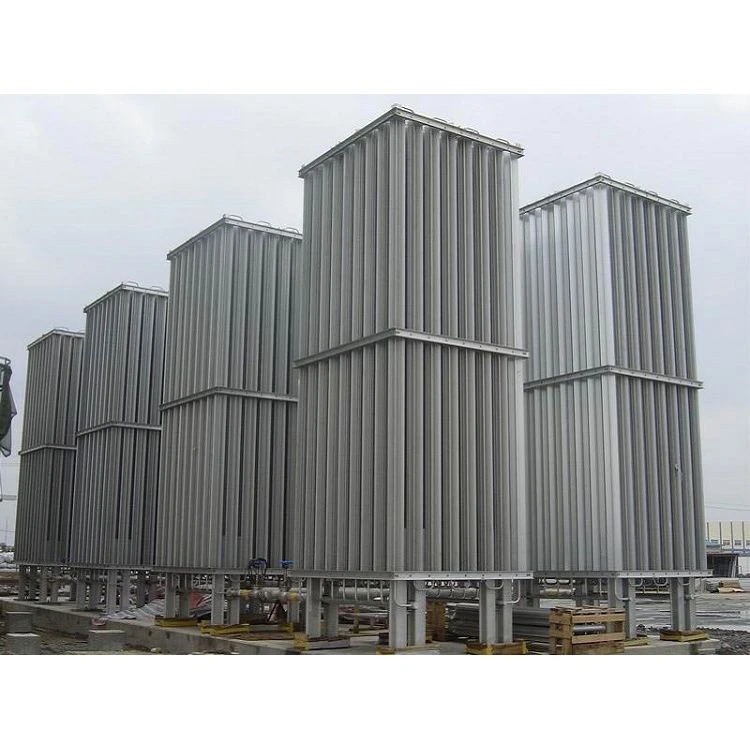
In the context of high - altitude applications, other related technologies such as Ambient Air Vaporizer For LNG and LNG Systems can also play a role.
- Ambient Air Vaporizer For LNG: These vaporizers are used to convert liquefied natural gas (LNG) into a gaseous state. In high - altitude areas, the lower ambient temperatures can be advantageous for LNG vaporization. The cold air can provide a natural source of cooling, reducing the energy requirements for the vaporization process.
- LNG Systems: LNG systems can be used in conjunction with Wound Tube Gasifiers to provide a more reliable and efficient energy solution. LNG is a clean and high - energy - density fuel that can be easily transported and stored. By integrating LNG systems with gasifiers, it is possible to overcome some of the challenges associated with high - altitude operation.
Conclusion
In conclusion, a Wound Tube Gasifier can be used in high - altitude areas, but it requires careful consideration of the unique environmental conditions and appropriate adaptations. The lower atmospheric pressure, lower oxygen concentration, and lower ambient temperatures in high - altitude areas can pose challenges to the operation of the gasifier, but with the right solutions, these challenges can be overcome.
As a supplier of Wound Tube Gasifiers, we have the expertise and experience to provide customized solutions for high - altitude applications. Our team of engineers can work with you to design and install a gasifier system that meets your specific requirements and ensures optimal performance in high - altitude environments.
If you are interested in using a Wound Tube Gasifier in a high - altitude area or have any questions about our products, please feel free to contact us. We are committed to providing you with the best possible solutions and support for your energy needs.
References
- Smith, J. (2018). Industrial Gasification Technologies. Elsevier.
- Johnson, A. (2019). High - Altitude Engineering: Challenges and Solutions. Springer.
- Brown, C. (2020). Gasifier Design and Operation. Wiley.


