

In the dynamic landscape of the liquefied natural gas (LNG) industry, the question of whether an LNG ambient vaporizer can be upgraded is both timely and crucial. As a reputable supplier of LNG ambient vaporizers, I've witnessed firsthand the evolution of these vital components and understand the significance of this inquiry. This blog aims to delve into the intricacies of upgrading LNG ambient vaporizers, exploring the possibilities, benefits, and considerations involved.
Understanding LNG Ambient Vaporizers
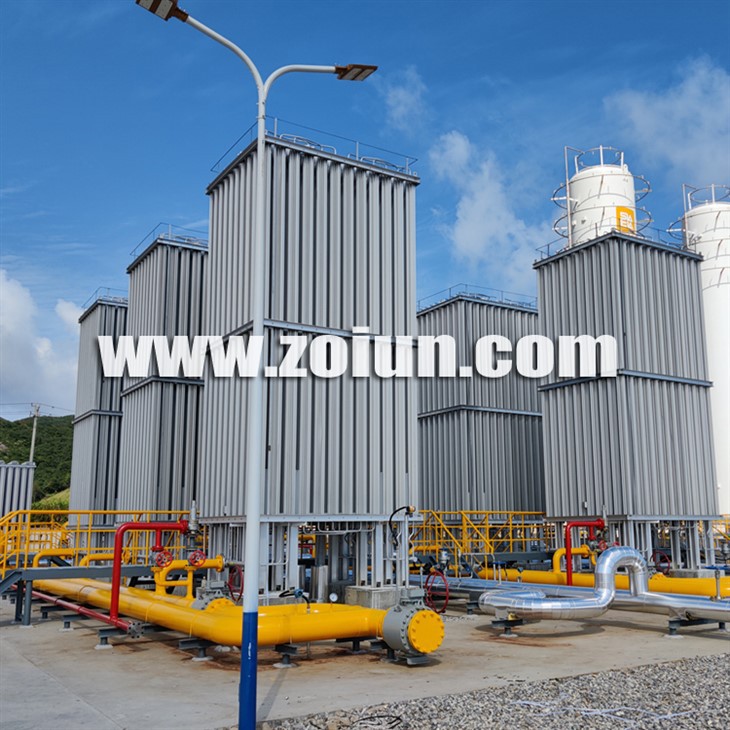
Before we discuss the upgrade potential, it's essential to understand what LNG ambient vaporizers are and how they function. LNG ambient vaporizers are heat exchangers that use ambient air to convert liquefied natural gas back into its gaseous state. They are designed to operate efficiently in various environmental conditions, providing a reliable and cost - effective solution for gasification.
These vaporizers come in different types, such as Cryogenic LNG Ambient Air Vaporizers, Cryogenic Liquid Ambient Vaporizer, and Cryogenic Vaporizers. Each type has its unique features and applications, but they all share the common goal of facilitating the vaporization process.
Reasons for Upgrading LNG Ambient Vaporizers
There are several compelling reasons why upgrading an LNG ambient vaporizer might be a prudent decision.
1. Technological Advancements
The field of vaporizer technology is constantly evolving. New materials, design concepts, and manufacturing techniques are emerging, offering improved performance and efficiency. Upgrading to a newer model can take advantage of these advancements, resulting in better heat transfer rates, reduced energy consumption, and enhanced reliability.
For example, modern vaporizers may incorporate advanced fin designs that increase the surface area available for heat exchange, allowing for more efficient vaporization. Additionally, the use of high - quality materials can improve corrosion resistance, extending the lifespan of the vaporizer.
2. Increased Capacity Requirements
As the demand for natural gas grows, many facilities may need to increase their LNG vaporization capacity. An upgrade can provide the necessary boost in throughput without the need for a complete replacement of the existing vaporizer system. This can be a cost - effective solution, especially for older plants that are looking to expand their operations.
3. Regulatory Compliance
Regulatory requirements for LNG facilities are becoming more stringent. Upgrading an ambient vaporizer can ensure that the equipment meets the latest safety, environmental, and performance standards. This is particularly important in regions where non - compliance can result in significant fines or operational disruptions.
Feasibility of Upgrading
The feasibility of upgrading an LNG ambient vaporizer depends on several factors.
1. Age and Condition of the Vaporizer
Older vaporizers may have limited upgrade potential due to wear and tear, outdated technology, or structural integrity issues. If the vaporizer is severely corroded or has significant mechanical damage, it may be more practical to replace it rather than attempt an upgrade.
On the other hand, relatively new vaporizers that are in good condition can often be upgraded with minimal modifications. A thorough inspection by a qualified engineer is necessary to assess the condition of the vaporizer and determine the feasibility of an upgrade.
2. Compatibility with Existing Infrastructure
The upgrade must be compatible with the existing LNG storage, piping, and control systems. Any modifications to the vaporizer should not disrupt the overall operation of the facility. For example, if the upgrade requires a change in the vaporizer's inlet or outlet connections, the existing piping system may need to be modified accordingly.

3. Cost - Benefit Analysis
A cost - benefit analysis is essential when considering an upgrade. The cost of the upgrade, including equipment, labor, and downtime, should be weighed against the expected benefits, such as increased efficiency, capacity, and regulatory compliance. In some cases, the long - term savings and improved performance may justify the upfront investment.
Upgrade Options
There are several upgrade options available for LNG ambient vaporizers.
1. Component Replacement
One of the simplest upgrade options is to replace worn or outdated components. This can include replacing fins, headers, or valves with newer, more efficient models. Component replacement can often improve the performance of the vaporizer without significant modifications to the overall system.
2. Control System Upgrade
Upgrading the control system of the vaporizer can enhance its operation and monitoring capabilities. A modern control system can provide real - time data on temperature, pressure, and flow rates, allowing for more precise control of the vaporization process. This can result in improved efficiency and reduced energy consumption.
3. Design Modifications
In some cases, more extensive design modifications may be required to achieve the desired upgrade. This can involve changing the shape or size of the vaporizer, adding additional heat exchange surfaces, or modifying the air distribution system. Design modifications should be carried out by experienced engineers to ensure the safety and performance of the upgraded vaporizer.
Case Studies
To illustrate the benefits of upgrading LNG ambient vaporizers, let's look at a few real - world case studies.
Case Study 1: A Small - Scale LNG Terminal
A small - scale LNG terminal was experiencing low vaporization efficiency due to an outdated vaporizer. The facility decided to upgrade the vaporizer by replacing the fins with a new design that had a larger surface area. After the upgrade, the vaporization efficiency increased by 20%, resulting in significant energy savings and improved operational performance.
Case Study 2: A Large - Scale Industrial Plant
A large - scale industrial plant needed to increase its LNG vaporization capacity to meet growing demand. Instead of installing a new vaporizer, the plant opted to upgrade its existing vaporizer by modifying the air distribution system and adding additional heat exchange surfaces. The upgrade successfully increased the vaporization capacity by 30% without major disruptions to the plant's operations.
Conclusion
In conclusion, an LNG ambient vaporizer can indeed be upgraded in many cases. Upgrading offers numerous benefits, including improved performance, increased capacity, and regulatory compliance. However, the feasibility of an upgrade depends on factors such as the age and condition of the vaporizer, compatibility with existing infrastructure, and cost - benefit analysis.
As a supplier of LNG ambient vaporizers, we have the expertise and experience to help you assess the upgrade potential of your existing vaporizer and provide the best solutions tailored to your specific needs. Whether you are looking for a simple component replacement or a comprehensive design modification, we can assist you every step of the way.
If you are considering an upgrade for your LNG ambient vaporizer, we invite you to reach out to us for a detailed consultation. Our team of experts will be happy to discuss your requirements and provide you with a customized upgrade plan.
References
- "LNG Vaporization Technology: Principles and Applications" - A technical publication on LNG vaporization processes and equipment.
- Industry reports on the latest trends in LNG ambient vaporizer technology and regulatory requirements.
- Case studies and research papers on successful LNG vaporizer upgrade projects.


