

Yo, I'm a supplier of Open Rack LNG Vaporizers. Over the years, I've seen some common issues with these bad boys, and one that always pops up is corrosion. It's a real pain in the neck, but don't worry, I've got some tips on how you can prevent it.
Understanding the Corrosion Problem
First off, let's talk about why corrosion happens in Open Rack LNG Vaporizers. These vaporizers work by using seawater to warm up the liquefied natural gas (LNG). Seawater is a pretty harsh environment, full of salts, minerals, and all sorts of other stuff that can eat away at the metal over time.
There are different types of corrosion that can occur. One of the most common is galvanic corrosion. This happens when two different metals are in contact with each other in an electrolyte (like seawater). The more active metal will start to corrode as it gives up its electrons to the less active metal.
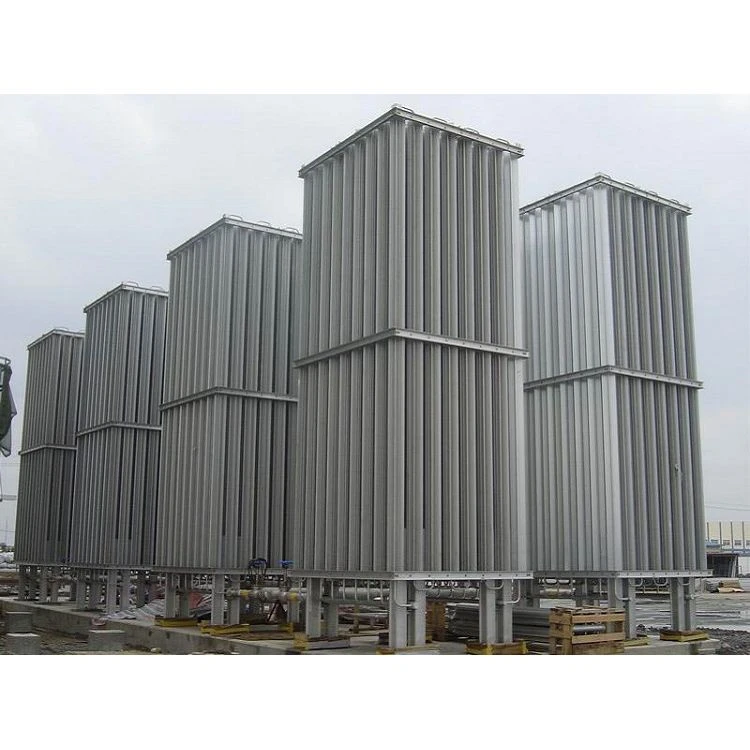

Another type is pitting corrosion. This is when small holes or "pits" form on the surface of the metal. Pitting can be really tricky because it can start small and then quickly spread, causing serious damage to the vaporizer.
One more is general corrosion, which is just a uniform loss of material from the metal surface. This can be caused by exposure to the seawater over a long period.
Choosing the Right Materials
One of the best ways to prevent corrosion is to choose the right materials in the first place. When we're making our Open Rack LNG Vaporizers, we use materials that are highly resistant to corrosion.
For example, some of our vaporizers are made with stainless steel. Stainless steel contains chromium, which forms a thin, protective oxide layer on the surface of the metal. This layer helps to prevent the metal from reacting with the seawater. We also use titanium in some parts of our vaporizers. Titanium is extremely corrosion-resistant and can withstand the harsh conditions in the seawater.
But it's not just about the metal. The coatings we use are also super important. We apply special anti-corrosion coatings to the surfaces of our vaporizers. These coatings act as a barrier between the metal and the seawater, preventing direct contact and reducing the risk of corrosion. You can check out our Cryogenic Liquid Ambient Vaporizer for more info on the materials and coatings we use.
Proper Design and Construction
The design and construction of the Open Rack LNG Vaporizer also play a big role in preventing corrosion. We make sure that there are no areas where seawater can collect and stagnate. Stagnant seawater can lead to increased corrosion because it allows the salts and other corrosive substances to build up.
We also design our vaporizers to minimize the contact between different metals. As I mentioned earlier, galvanic corrosion can be a big problem when different metals are in contact. So, we use insulation or separators between different metals to prevent this from happening.
In addition, we pay close attention to the welding and joining techniques. Poor welding can create weak points in the metal where corrosion can start. We use high-quality welding methods and inspect the welds carefully to make sure they're strong and corrosion-resistant.
Regular Maintenance and Inspection
Even if you have the best materials and design, regular maintenance and inspection are still crucial. We recommend doing regular visual inspections of your Open Rack LNG Vaporizer. Look for any signs of corrosion, like rust, discoloration, or pitting.
You should also monitor the corrosion rate. There are different ways to do this, such as using corrosion coupons or sensors. These tools can give you an idea of how fast the corrosion is happening and whether you need to take any action.
If you do find signs of corrosion, it's important to address them right away. You might need to clean the affected area, apply a new coating, or replace the damaged parts. We offer maintenance services for our vaporizers. If you're having any issues or need a check-up, just let us know.
Water Treatment
Treating the seawater that's used in the vaporizer is another way to prevent corrosion. There are different water treatment methods you can use. For example, you can add corrosion inhibitors to the seawater. Corrosion inhibitors are chemicals that form a protective layer on the metal surface, reducing the corrosion rate.
You can also use filtration to remove some of the solid particles in the seawater. These particles can cause abrasion on the metal surface, which can make the metal more susceptible to corrosion.
Control of Operating Conditions
The operating conditions of the Open Rack LNG Vaporizer can also affect the corrosion rate. For example, the temperature of the seawater can play a role. Higher temperatures can increase the rate of corrosion, so it's important to keep the seawater at an optimal temperature.
The flow rate of the seawater is another factor. A proper flow rate can help to keep the seawater moving and prevent stagnation. It can also help to remove any corrosion products that might form on the metal surface.
Case Studies
Let me share a couple of case studies with you. There was one customer who had an issue with corrosion in their old vaporizer. The vaporizer was made with a material that wasn't very resistant to corrosion, and they hadn't been doing regular maintenance. As a result, they were experiencing a lot of pitting and general corrosion.
We replaced their old vaporizer with one of our Wound Tube Gasifier. Our vaporizer was made with stainless steel and had a special anti-corrosion coating. We also provided them with a maintenance plan. After a year, they reported that they had no signs of corrosion, and the vaporizer was working great.
Another customer was having problems with galvanic corrosion because they had different metals in contact in their vaporizer. We redesigned their vaporizer to minimize the contact between the different metals and used insulation where necessary. Since then, they haven't had any issues with galvanic corrosion.
Conclusion
Preventing corrosion in Open Rack LNG Vaporizers is a multi-faceted approach. It starts with choosing the right materials, proper design and construction, regular maintenance and inspection, water treatment, and control of operating conditions.
At our company, we're committed to providing high-quality Open Rack LNG Vaporizers that are designed to resist corrosion. If you're in the market for a new vaporizer or need help with your existing one, we'd love to chat. You can also check out our Ambient Air Vaporizer Price to get an idea of our pricing.
Don't let corrosion ruin your investment. Contact us today to discuss your requirements and how we can help you prevent corrosion in your Open Rack LNG Vaporizer. Let's work together to keep your vaporizer running smoothly and efficiently for years to come.
References
- "Corrosion of Metals in Seawater" - Various research papers on marine corrosion from academic journals.
- "Materials Selection for LNG Vaporizers" - Studies on suitable materials for LNG vaporizer construction.
- "Maintenance Guidelines for LNG Vaporizers" - Industry standards and best practices documents.


