

The heat transfer efficiency of an Open Rack LNG Vaporizer (ORV) is a critical factor in the liquefied natural gas (LNG) industry. As a leading supplier of ORVs, we understand the importance of optimizing heat transfer efficiency under various operating conditions. In this blog post, we will explore how the heat transfer efficiency of an ORV changes with different operating conditions and discuss the implications for our customers.
Understanding Open Rack LNG Vaporizers
Open Rack LNG Vaporizers are widely used in LNG receiving terminals to convert liquefied natural gas back into its gaseous state for distribution. These vaporizers operate by using seawater as a heat source to warm the LNG flowing through a series of vertical tubes. The heat transfer process involves the transfer of thermal energy from the seawater to the LNG, causing the LNG to vaporize.
The efficiency of this heat transfer process is influenced by several factors, including the temperature and flow rate of the seawater, the temperature and flow rate of the LNG, and the design and material of the vaporizer tubes. By understanding how these factors interact, we can optimize the performance of our ORVs and ensure reliable and efficient operation.
Effect of Seawater Temperature
One of the most significant factors affecting the heat transfer efficiency of an ORV is the temperature of the seawater. As the seawater temperature increases, the driving force for heat transfer between the seawater and the LNG also increases. This results in a higher rate of heat transfer and a more efficient vaporization process.
Conversely, when the seawater temperature is low, the heat transfer rate decreases, and the vaporization process becomes less efficient. In extreme cases, low seawater temperatures can lead to ice formation on the vaporizer tubes, which further reduces heat transfer efficiency and can cause operational problems.
To mitigate the effects of low seawater temperatures, our ORVs are designed with features such as anti-icing systems and variable flow rate controls. These features help to maintain a consistent heat transfer rate and prevent ice formation, even in cold seawater conditions.
Effect of Seawater Flow Rate
The flow rate of the seawater also plays a crucial role in the heat transfer efficiency of an ORV. A higher seawater flow rate increases the convective heat transfer coefficient, which enhances the rate of heat transfer between the seawater and the LNG. This results in a more efficient vaporization process and a higher throughput of gaseous natural gas.
However, increasing the seawater flow rate also has its limitations. Higher flow rates require more energy to pump the seawater through the vaporizer, which can increase operating costs. Additionally, excessive seawater flow rates can cause erosion and corrosion of the vaporizer tubes, reducing their lifespan and reliability.
To optimize the seawater flow rate, our ORVs are equipped with advanced control systems that adjust the flow rate based on the operating conditions. These systems ensure that the seawater flow rate is maintained at an optimal level, balancing the need for high heat transfer efficiency with the need for energy efficiency and equipment durability.
Effect of LNG Temperature and Flow Rate
The temperature and flow rate of the LNG also have a significant impact on the heat transfer efficiency of an ORV. A lower LNG temperature requires more heat to be transferred from the seawater to vaporize the LNG, which can reduce the heat transfer efficiency. Similarly, a higher LNG flow rate requires more heat to be transferred in a shorter period, which can also reduce the heat transfer efficiency.

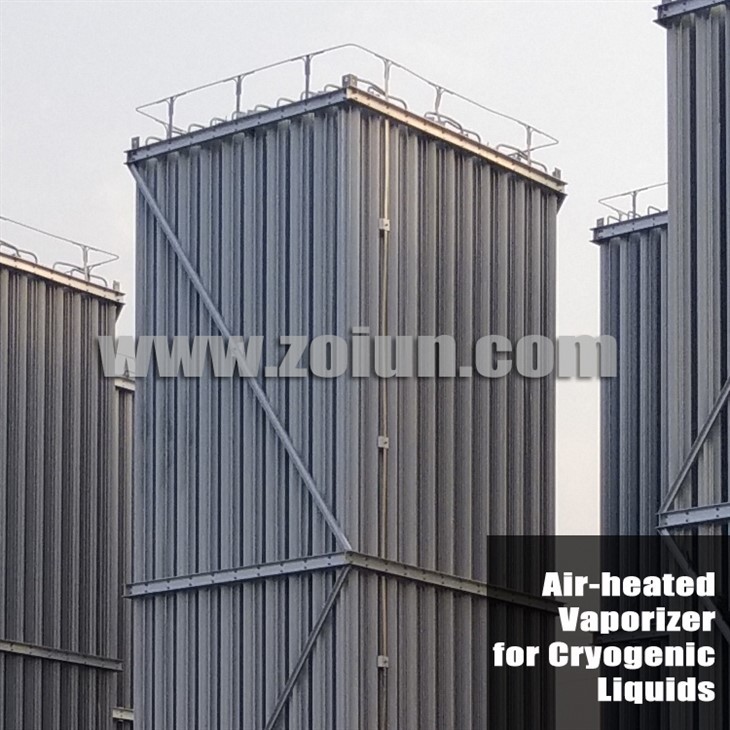
To address these challenges, our ORVs are designed to handle a wide range of LNG temperatures and flow rates. We use advanced heat exchanger designs and materials to maximize the heat transfer surface area and minimize the thermal resistance between the seawater and the LNG. Additionally, our ORVs are equipped with preheating systems that can raise the temperature of the LNG before it enters the vaporizer, reducing the energy required for vaporization.
Effect of Vaporizer Design and Material
The design and material of the vaporizer tubes also play a crucial role in the heat transfer efficiency of an ORV. The tubes must have a high thermal conductivity to facilitate the transfer of heat from the seawater to the LNG. Additionally, the tubes must be resistant to corrosion and erosion to ensure long-term reliability and performance.
At our company, we use high-quality materials such as aluminum alloy and stainless steel for our vaporizer tubes. These materials have excellent thermal conductivity and corrosion resistance, making them ideal for use in ORVs. We also use advanced manufacturing techniques to optimize the design of the tubes, maximizing the heat transfer surface area and minimizing the pressure drop across the vaporizer.
Implications for Customers
Understanding how the heat transfer efficiency of an ORV changes with different operating conditions is essential for our customers. By optimizing the operating conditions of their ORVs, our customers can improve the efficiency and reliability of their LNG receiving terminals, reduce operating costs, and increase their overall profitability.
As a leading supplier of ORVs, we offer a range of products and services to help our customers optimize the performance of their vaporizers. Our experienced engineers can provide customized solutions based on the specific requirements of each customer, ensuring that their ORVs are designed and operated to achieve the highest possible heat transfer efficiency.
In addition to our product offerings, we also provide comprehensive technical support and training to our customers. Our team of experts can assist with installation, commissioning, and maintenance of the ORVs, as well as troubleshooting and problem-solving. We also offer ongoing monitoring and optimization services to ensure that the ORVs continue to operate at peak performance over their lifespan.
Conclusion
The heat transfer efficiency of an Open Rack LNG Vaporizer is influenced by several factors, including the temperature and flow rate of the seawater, the temperature and flow rate of the LNG, and the design and material of the vaporizer tubes. By understanding how these factors interact, we can optimize the performance of our ORVs and ensure reliable and efficient operation under a wide range of operating conditions.
As a leading supplier of ORVs, we are committed to providing our customers with the highest quality products and services. Our advanced technology, experienced engineers, and comprehensive support services enable us to deliver customized solutions that meet the specific needs of each customer. If you are interested in learning more about our ORVs or would like to discuss your specific requirements, please [contact us for procurement and negotiation]. We look forward to working with you to optimize the performance of your LNG receiving terminal.
References
- DOE, “Advanced Research Projects Agency - Energy (ARPA - E) Technology Overview: Liquefied Natural Gas (LNG) Vaporization,” U.S. Department of Energy, 2020.
- Shell, “LNG Handbook: An Introduction to Liquefied Natural Gas,” Shell Global Solutions International B.V., 2019.
- Gas Technology Institute, “LNG Vaporization Technologies,” Gas Technology Institute, 2018.


