

As a supplier of Liquid Oxygen Vaporizers, I am often asked about the materials used in their construction. Understanding these materials is crucial as they directly impact the performance, durability, and safety of the vaporizer. In this blog, I will delve into the various materials commonly employed in the construction of Liquid Oxygen Vaporizers.

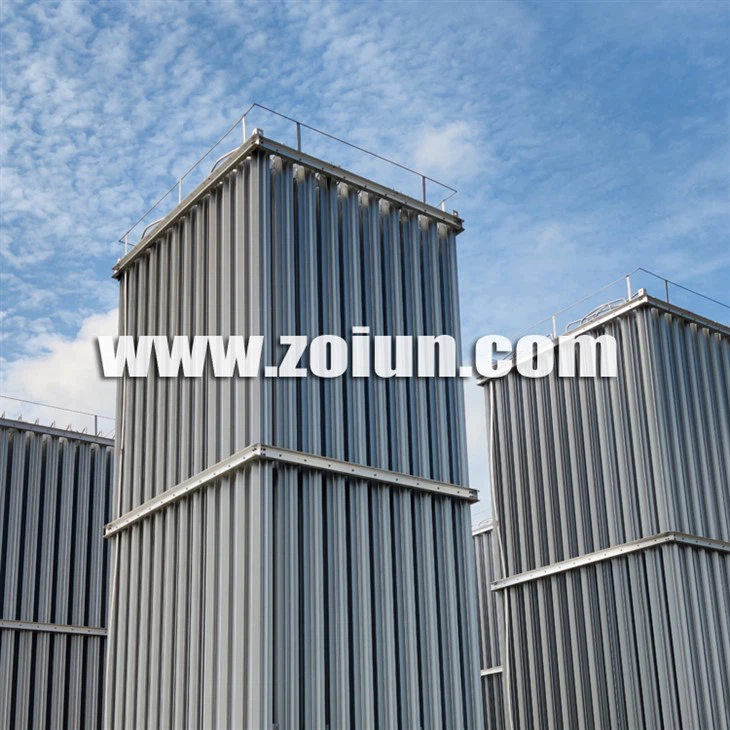
Aluminum Alloys
Aluminum alloys are one of the most widely used materials in the construction of Liquid Oxygen Vaporizers. These alloys offer several advantages that make them ideal for this application. Firstly, aluminum has a high thermal conductivity, which means it can efficiently transfer heat from the surrounding environment to the liquid oxygen, facilitating the vaporization process. This property allows the vaporizer to operate effectively even in low - temperature conditions.
Secondly, aluminum alloys are lightweight. This characteristic is beneficial in terms of transportation and installation. A lighter vaporizer is easier to move around and requires less structural support during installation. For example, an aluminum - alloy - based Liquid Oxygen Vaporizer can be more easily transported to remote construction sites or industrial facilities compared to heavier alternatives.
In addition, aluminum alloys have good corrosion resistance. Liquid oxygen is highly reactive, and any corrosion of the vaporizer's internal components could lead to contamination of the oxygen or even structural failure. The natural oxide layer that forms on the surface of aluminum protects it from corrosion, ensuring the long - term reliability of the vaporizer. Some common aluminum alloys used in vaporizer construction include 6061 and 3003. The 6061 alloy is known for its excellent strength - to - weight ratio and good machinability, while the 3003 alloy offers high ductility and formability, which is useful for shaping the complex geometries required in vaporizer design.
Stainless Steel
Stainless steel is another important material in Liquid Oxygen Vaporizer construction. It is valued for its strength and corrosion resistance, especially in harsh environments. There are different grades of stainless steel used, with 304 and 316 being the most common.
Grade 304 stainless steel is a general - purpose alloy that offers good corrosion resistance in most atmospheric and mildly corrosive environments. It has a relatively high chromium content, which forms a passive oxide layer on the surface, protecting the steel from rust and corrosion. In a Liquid Oxygen Vaporizer, this corrosion resistance is essential to prevent the formation of rust particles that could contaminate the oxygen or clog the vaporizer's passages.
Grade 316 stainless steel, on the other hand, contains molybdenum in addition to chromium and nickel. This addition enhances its corrosion resistance, especially in environments where the vaporizer may be exposed to chloride ions, such as in coastal areas or industrial settings with high levels of salt in the air. The higher corrosion resistance of 316 stainless steel makes it a preferred choice for vaporizers installed in such challenging locations.
Stainless steel is often used for critical components of the vaporizer, such as the tubing and fittings. These components need to withstand high pressures and temperatures during the vaporization process. The strength of stainless steel ensures that the vaporizer can operate safely under these conditions without the risk of leaks or structural damage.
Copper
Copper is also used in some Liquid Oxygen Vaporizers, particularly in applications where high thermal conductivity is of utmost importance. Copper has one of the highest thermal conductivities among common metals, even higher than aluminum in some cases. This property allows for very efficient heat transfer, which can significantly improve the vaporization rate of the liquid oxygen.
However, copper has some limitations. It is more expensive than aluminum and stainless steel, and it is also softer, which means it may not be as suitable for applications where the vaporizer is subject to high mechanical stresses. In a Liquid Oxygen Vaporizer, copper is typically used in heat exchanger sections where its high thermal conductivity can be fully utilized. For example, copper fins can be used to increase the surface area of the heat exchanger, enhancing the heat transfer between the ambient air and the liquid oxygen.
Insulation Materials
Insulation is a critical part of a Liquid Oxygen Vaporizer, as it helps to reduce heat loss and improve energy efficiency. One of the commonly used insulation materials is polyurethane foam. Polyurethane foam has a low thermal conductivity, which means it can effectively prevent heat from escaping from the vaporizer. It is also lightweight and easy to install, making it a popular choice for insulating the outer shell of the vaporizer.
Another insulation material is fiberglass. Fiberglass insulation consists of fine glass fibers that trap air, creating a barrier against heat transfer. It is fire - resistant and has good mechanical strength, which allows it to withstand the rigors of installation and operation. Fiberglass insulation can be used in both the internal and external insulation of the vaporizer, depending on the specific design requirements.
Gaskets and Seals
Gaskets and seals are essential for preventing leaks in a Liquid Oxygen Vaporizer. Materials such as Viton and Teflon are commonly used for these components. Viton is a fluoroelastomer that offers excellent resistance to high temperatures, chemicals, and oxygen. It can maintain its elasticity and sealing properties even under extreme conditions, ensuring a tight seal between different parts of the vaporizer.
Teflon, or polytetrafluoroethylene (PTFE), is known for its low friction coefficient and high chemical resistance. It is often used in applications where a non - stick surface is required, as well as for sealing joints in the vaporizer. Teflon gaskets can provide a reliable seal against the leakage of liquid oxygen, even at high pressures.
The Role of Different Materials in Overall Performance
The combination of these materials in a Liquid Oxygen Vaporizer is carefully engineered to optimize its performance. The high - thermal - conductivity materials like aluminum and copper ensure efficient heat transfer, while the corrosion - resistant materials such as stainless steel and aluminum alloys protect the internal components from damage. The insulation materials reduce heat loss, improving energy efficiency, and the gaskets and seals prevent leaks, ensuring the safety and reliability of the vaporizer.
If you are in the market for a high - quality Liquid Oxygen Vaporizer, or if you are interested in our other products such as CO2 Vaporizer, Industrial Gas Ambient Vaporizer, or Cryogenic Ambient Air Vaporizers, we are here to assist you. Our team of experts can provide you with detailed information about the materials used in our products, as well as help you select the most suitable vaporizer for your specific needs. We welcome you to contact us for procurement and further discussions.
References
- ASM Handbook Volume 2: Properties and Selection: Nonferrous Alloys and Special - Purpose Materials.
- Perry's Chemical Engineers' Handbook.


