

As a supplier of Wound Tube Gasifiers, I am often asked about the ash removal process for these essential pieces of equipment. Wound Tube Gasifiers, which you can learn more about here, play a crucial role in various industrial applications, especially in the gasification of different fuels. Understanding the ash removal process is vital for the efficient and long - term operation of these gasifiers.
The Basics of Wound Tube Gasifiers
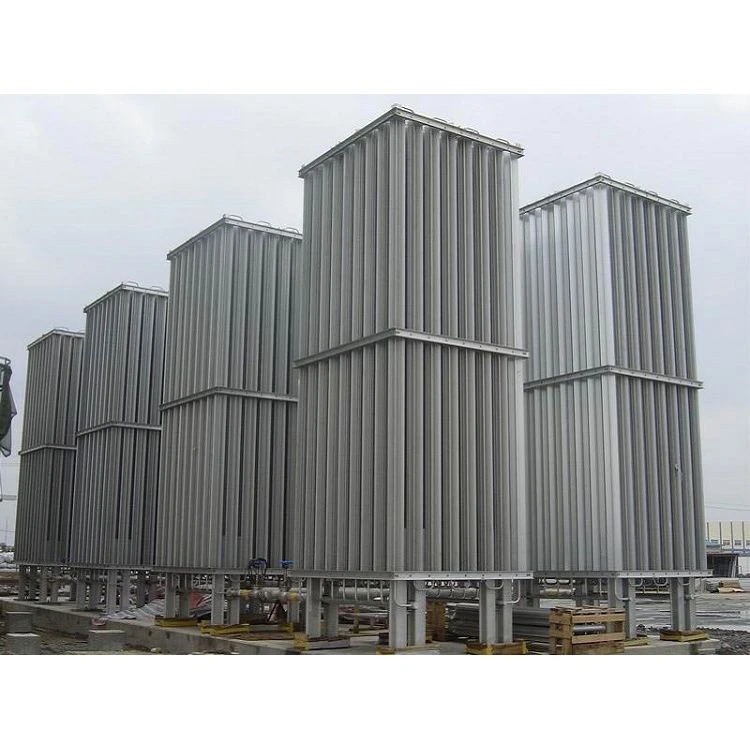
Before delving into the ash removal process, it's important to have a basic understanding of Wound Tube Gasifiers. These gasifiers are a type of vaporizer, a category of equipment you can explore further here. They are designed to convert solid or liquid fuels into combustible gas through a thermochemical process. The gas produced can be used for heating, power generation, or as a feedstock for chemical synthesis.
During the gasification process, the fuel is subjected to high temperatures in a reducing atmosphere. As the fuel is gasified, a residue known as ash is left behind. Ash is composed of inorganic materials such as silica, alumina, iron oxide, and various other minerals that were present in the original fuel. If not properly removed, this ash can cause a variety of problems, including blockages in the gasifier, reduced heat transfer efficiency, and increased wear and tear on the equipment.
Types of Ash in Wound Tube Gasifiers
There are two main types of ash that can be found in Wound Tube Gasifiers: bottom ash and fly ash.
Bottom Ash: This is the larger, heavier ash particles that settle at the bottom of the gasifier. It typically consists of coarse materials that were not fully gasified or that have agglomerated during the gasification process. Bottom ash can be relatively easy to remove compared to fly ash, as it tends to accumulate in a specific area of the gasifier.
Fly Ash: Fly ash is made up of fine particles that are carried along with the gas stream. These particles are small enough to be entrained in the gas flow and can cause problems downstream, such as clogging filters and heat exchangers. Fly ash removal requires more sophisticated techniques due to its small size and the fact that it is dispersed throughout the gas stream.
Ash Removal Process for Bottom Ash
The removal of bottom ash from a Wound Tube Gasifier is usually a continuous or semi - continuous process. Here are the common steps involved:
Ash Collection: At the bottom of the gasifier, there is a collection chamber where the bottom ash accumulates. This chamber is designed to allow the ash to settle and separate from the gas flow. The design of the collection chamber is crucial, as it needs to prevent the gas from escaping while still allowing the ash to be removed efficiently.
Ash Cooling: Before the ash can be removed, it is often necessary to cool it down. High - temperature ash can be difficult to handle and can cause damage to the removal equipment. Cooling can be achieved through various methods, such as water quenching or the use of air - cooled heat exchangers.
Ash Discharge: Once the ash is cooled, it can be discharged from the collection chamber. This can be done using mechanical devices such as screw conveyors, chain conveyors, or rotary valves. These devices are designed to move the ash from the collection chamber to a storage or disposal area.
Ash Removal Process for Fly Ash
The removal of fly ash is more complex than that of bottom ash. Here are some of the common methods used:
Cyclone Separators: Cyclone separators are one of the most widely used devices for fly ash removal. They work on the principle of centrifugal force. The gas stream containing fly ash is introduced into the cyclone at a high velocity. As the gas spins inside the cyclone, the heavier fly ash particles are forced to the outer wall and fall to the bottom of the cyclone, while the cleaner gas exits from the top.
Bag Filters: Bag filters are another effective method for fly ash removal. In a bag filter, the gas stream passes through a series of fabric bags. The fly ash particles are trapped on the surface of the bags, while the clean gas passes through. Periodically, the bags are cleaned to remove the accumulated ash. This can be done by reverse - air cleaning, pulse - jet cleaning, or mechanical shaking.

Electrostatic Precipitators: Electrostatic precipitators use an electrostatic charge to remove fly ash from the gas stream. The gas is passed through a series of charged plates or wires. The fly ash particles become charged as they pass through the electrostatic field and are then attracted to the oppositely charged collection plates. The collected ash can then be removed from the plates.
Importance of Proper Ash Removal
Proper ash removal is essential for the efficient and reliable operation of Wound Tube Gasifiers. Here are some of the key benefits:
Preventing Blockages: By removing ash from the gasifier and the downstream equipment, the risk of blockages is significantly reduced. This ensures a continuous and stable gas flow, which is crucial for the overall performance of the gasification system.
Improving Heat Transfer Efficiency: Ash can act as an insulator, reducing the heat transfer efficiency in the gasifier and heat exchangers. By removing ash, the heat transfer surfaces remain clean, allowing for better heat transfer and improved energy efficiency.
Extending Equipment Lifespan: Ash can cause abrasion and corrosion on the gasifier components. Regular ash removal helps to minimize this wear and tear, extending the lifespan of the equipment and reducing maintenance costs.
Factors Affecting Ash Removal
Several factors can affect the ash removal process in Wound Tube Gasifiers:
Fuel Characteristics: The type and quality of the fuel used have a significant impact on the ash content and properties. Different fuels produce ash with different compositions, particle sizes, and melting points. For example, biomass fuels generally have a lower ash content compared to coal, but the ash from biomass can be more prone to agglomeration.
Gasification Conditions: The temperature, pressure, and gas flow rate during the gasification process can also affect the ash behavior. Higher temperatures can cause the ash to melt or agglomerate, making it more difficult to remove. Similarly, high gas flow rates can carry more fly ash into the downstream equipment.
Equipment Design: The design of the Wound Tube Gasifier and the ash removal system is crucial. A well - designed gasifier should have a proper ash collection and removal mechanism that is compatible with the type of fuel being used and the gasification conditions.
Conclusion
In conclusion, the ash removal process is a critical aspect of the operation of Wound Tube Gasifiers. By understanding the types of ash, the different removal methods, and the factors that affect ash removal, operators can ensure the efficient and reliable operation of their gasification systems.
As a supplier of Wound Tube Gasifiers, we are committed to providing our customers with high - quality equipment and comprehensive support. If you are interested in learning more about our Wound Tube Gasifiers or need assistance with ash removal processes, we encourage you to contact us for a detailed discussion. We can help you select the right gasifier for your specific application and provide guidance on optimizing the ash removal process to ensure the best performance of your equipment.
References
- "Gasification Technology Handbook" by Charles Higman and Maarten van der Burgt
- "Combustion and Gasification in Fluidized Beds" by Paul Basu


