

As a leading supplier of LNG Ambient Vaporizers, I am often asked about the capacity range of these essential pieces of equipment. In this blog post, I will delve into the typical capacity ranges of common LNG Ambient Vaporizers, exploring the factors that influence these capacities and how they cater to different industrial needs.
Understanding LNG Ambient Vaporizers
LNG Ambient Vaporizers play a crucial role in the liquefied natural gas (LNG) industry. They are designed to convert LNG from its liquid state to a gaseous state by utilizing ambient air as the heat source. This process is essential for various applications, including power generation, industrial heating, and transportation.
The working principle of an LNG Ambient Vaporizer is relatively straightforward. LNG enters the vaporizer at a very low temperature and high pressure. As it passes through the vaporizer's tubes, heat is transferred from the surrounding ambient air to the LNG, causing it to vaporize. The resulting natural gas is then ready for use in various applications.
Capacity Range of Common LNG Ambient Vaporizers
The capacity of an LNG Ambient Vaporizer is typically measured in terms of the volume of natural gas it can produce per hour. The capacity range of common LNG Ambient Vaporizers can vary significantly depending on several factors, including the design, size, and intended application of the vaporizer.
Small - Scale LNG Ambient Vaporizers
Small - scale LNG Ambient Vaporizers are often used in applications where the demand for natural gas is relatively low. These vaporizers typically have a capacity range of 10 - 100 Nm³/h (normal cubic meters per hour). They are commonly used in small industrial facilities, such as food processing plants, small power generators, and some residential applications.
The relatively small capacity of these vaporizers makes them suitable for applications where space is limited and the demand for natural gas is not very high. They are also more cost - effective for small - scale operations, as they require less initial investment and lower operating costs.
Medium - Scale LNG Ambient Vaporizers
Medium - scale LNG Ambient Vaporizers are designed to meet the needs of larger industrial facilities. Their capacity range typically falls between 100 - 1000 Nm³/h. These vaporizers are commonly used in industries such as chemical manufacturing, metal processing, and medium - sized power plants.
Medium - scale vaporizers offer a balance between capacity and cost. They are larger than small - scale vaporizers, but still relatively compact compared to large - scale ones. They can handle a higher volume of LNG, making them suitable for industries with moderate natural gas demands. For more information on medium - pressure options, you can visit Medium Pressure Cryogenic Vaporizers.
Large - Scale LNG Ambient Vaporizers
Large - scale LNG Ambient Vaporizers are used in applications where there is a high demand for natural gas. These vaporizers have a capacity range of over 1000 Nm³/h and can go up to several thousand Nm³/h. They are commonly found in large power plants, large industrial complexes, and LNG import terminals.
Large - scale vaporizers are complex and expensive to manufacture and install. However, they are essential for meeting the high - volume natural gas requirements of large - scale operations. They are designed to handle large volumes of LNG efficiently and reliably, ensuring a continuous supply of natural gas to meet the demands of these large - scale facilities. You can learn more about our large - scale options at Liquid Natural Gas Ambient Vaporizer and Cryogenic LNG Ambient Air Vaporizers.
Factors Influencing the Capacity of LNG Ambient Vaporizers
Several factors can influence the capacity of an LNG Ambient Vaporizer. Understanding these factors is crucial for selecting the right vaporizer for a specific application.
Ambient Temperature
The ambient temperature plays a significant role in the performance of an LNG Ambient Vaporizer. Higher ambient temperatures provide more heat for the vaporization process, allowing the vaporizer to produce more natural gas per hour. Conversely, lower ambient temperatures reduce the heat transfer rate, which can decrease the vaporizer's capacity.
LNG Inlet Conditions
The temperature and pressure of the LNG entering the vaporizer also affect its capacity. If the LNG is at a very low temperature and high pressure, more heat is required to vaporize it. This can reduce the vaporizer's capacity, as it may take longer to transfer the necessary heat to the LNG.
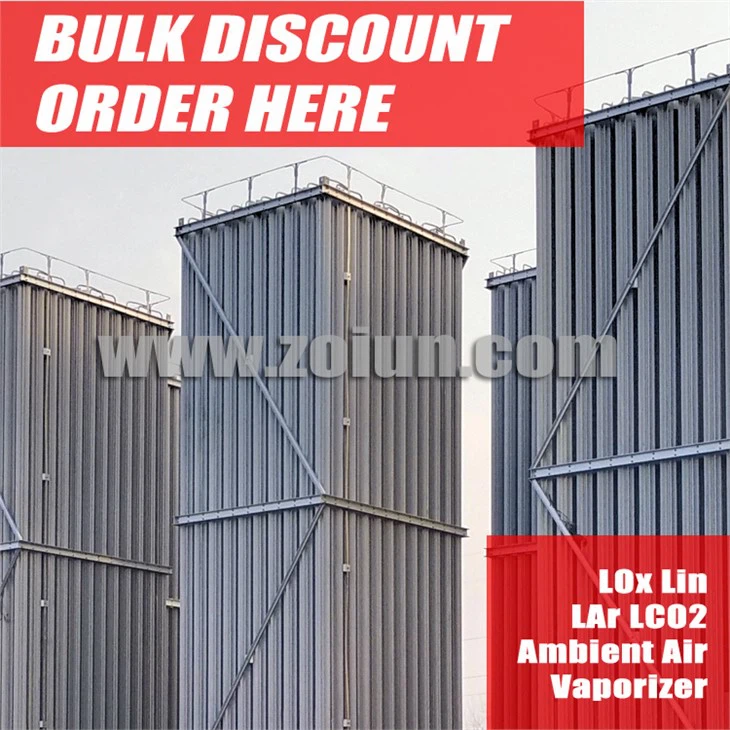

Vaporizer Design
The design of the vaporizer, including the number of tubes, the surface area available for heat transfer, and the flow path of the LNG, can significantly impact its capacity. A well - designed vaporizer with a large surface area and an efficient flow path can transfer heat more effectively, resulting in a higher capacity.
Altitude
Altitude can also affect the performance of an LNG Ambient Vaporizer. At higher altitudes, the air density is lower, which reduces the heat transfer rate. This can lead to a decrease in the vaporizer's capacity, as there is less air available to transfer heat to the LNG.
Selecting the Right Capacity LNG Ambient Vaporizer
Selecting the right capacity LNG Ambient Vaporizer is crucial for ensuring the efficient and reliable operation of your facility. When choosing a vaporizer, you need to consider the following factors:
Natural Gas Demand
The most important factor is the amount of natural gas your facility needs. You should accurately calculate your current and future natural gas demands to select a vaporizer with an appropriate capacity. It is also advisable to choose a vaporizer with some additional capacity to account for any future growth in demand.
Operating Conditions
Consider the ambient temperature, altitude, and LNG inlet conditions at your facility. These factors can affect the vaporizer's performance and capacity. You may need to consult with a vaporizer expert to select a vaporizer that can operate efficiently under your specific operating conditions.
Budget
Your budget is also an important consideration. Larger capacity vaporizers are generally more expensive to purchase and install. You need to balance your natural gas demand with your budget to select a vaporizer that offers the best value for money.
Conclusion
In conclusion, the capacity range of common LNG Ambient Vaporizers can vary from small - scale units with a capacity of 10 - 100 Nm³/h to large - scale units with a capacity of over 1000 Nm³/h. The selection of the right capacity vaporizer depends on various factors, including natural gas demand, operating conditions, and budget.
As a supplier of LNG Ambient Vaporizers, we have a wide range of vaporizers to meet different industrial needs. Whether you are looking for a small - scale vaporizer for a residential application or a large - scale vaporizer for an LNG import terminal, we can provide you with the right solution.
If you are interested in learning more about our LNG Ambient Vaporizers or would like to discuss your specific requirements, please feel free to contact us. Our team of experts is ready to assist you in selecting the right vaporizer for your application and guiding you through the procurement process.
References
- "LNG Technology and Applications" by John Smith
- "Ambient Vaporizers: Design and Operation" by Peter Johnson
- Industry reports on LNG vaporizer technology and market trends.


