

What is the maintenance requirement for a Wound Tube Gasifier?
As a trusted supplier of Wound Tube Gasifiers, I understand the importance of proper maintenance to ensure the optimal performance and longevity of these critical pieces of equipment. In this blog post, I will delve into the maintenance requirements for a Wound Tube Gasifier, providing you with valuable insights and practical tips to keep your gasifier running smoothly.
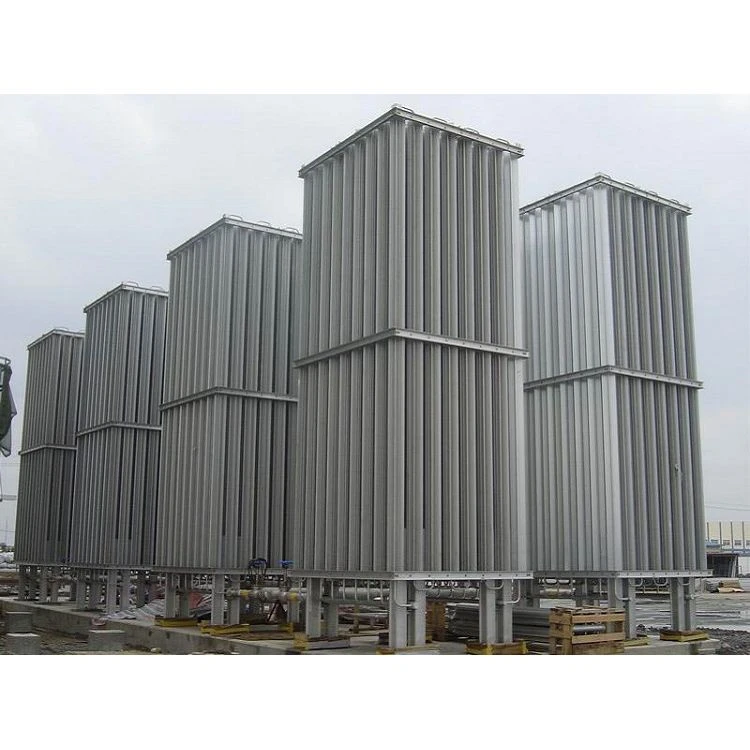

Understanding the Wound Tube Gasifier
Before we discuss the maintenance requirements, let's briefly understand what a Wound Tube Gasifier is. A Wound Tube Gasifier is a type of ambient air vaporizer used in various industries, especially in the liquefied natural gas (LNG) sector. It works by utilizing the heat from the surrounding air to vaporize liquid gases, such as LNG, into their gaseous state. The unique wound tube design provides a large surface area for efficient heat transfer, making it an effective and reliable solution for gas vaporization.
Regular Inspections
Regular inspections are the cornerstone of any maintenance program for a Wound Tube Gasifier. These inspections should be conducted at scheduled intervals to identify any potential issues early on and prevent costly breakdowns. Here are some key areas to focus on during inspections:
- Visual Inspection: Start by visually examining the gasifier for any signs of damage, such as cracks, leaks, or corrosion. Check the tubes, headers, and supports for any visible wear and tear. Pay close attention to the joints and connections, as these are common areas for leaks to occur.
- Tube Integrity: Inspect the tubes for any blockages or restrictions. Blocked tubes can reduce the gasifier's efficiency and may lead to uneven heat transfer. Use a borescope or other inspection tools to check the internal condition of the tubes.
- Header and Support Structure: Check the headers and support structure for any signs of distortion or damage. Ensure that the headers are properly aligned and that the support structure is stable. Any damage to the headers or support structure can affect the gasifier's performance and safety.
- Coating and Paint: Inspect the coating and paint on the gasifier for any signs of deterioration. A damaged coating can expose the metal to corrosion, which can significantly reduce the gasifier's lifespan. If necessary, touch up the coating or repaint the gasifier to protect it from the elements.
Cleaning and Maintenance
In addition to regular inspections, proper cleaning and maintenance are essential for keeping a Wound Tube Gasifier in good working condition. Here are some cleaning and maintenance tasks that should be performed regularly:
- Tube Cleaning: Over time, the tubes of a Wound Tube Gasifier can accumulate dirt, debris, and other contaminants. This can reduce the gasifier's efficiency and may lead to blockages. To clean the tubes, use a suitable cleaning solution and a high-pressure water jet. Be careful not to damage the tubes during the cleaning process.
- Filter Replacement: Many Wound Tube Gasifiers are equipped with filters to remove impurities from the gas. These filters should be replaced regularly to ensure that they are functioning properly. Check the manufacturer's recommendations for the appropriate filter replacement interval.
- Lubrication: Some components of the gasifier, such as valves and actuators, may require lubrication to operate smoothly. Use the recommended lubricant and follow the manufacturer's instructions for lubrication.
- Electrical Components: If the gasifier has any electrical components, such as motors or controls, inspect them regularly for any signs of damage or malfunction. Check the wiring connections and ensure that they are secure. Replace any faulty electrical components as soon as possible.
Pressure Testing
Pressure testing is an important part of the maintenance process for a Wound Tube Gasifier. This test is used to check the integrity of the gasifier's pressure boundaries and ensure that it can operate safely at the specified pressure. Pressure testing should be performed at regular intervals, as recommended by the manufacturer.
- Hydrostatic Testing: Hydrostatic testing involves filling the gasifier with water and pressurizing it to a specified pressure. This test is used to check for leaks and to ensure that the gasifier can withstand the maximum operating pressure. The test should be conducted in accordance with the relevant standards and regulations.
- Pneumatic Testing: Pneumatic testing involves pressurizing the gasifier with air or another gas to a specified pressure. This test is used to check for leaks and to ensure that the gasifier can operate safely at the specified pressure. Pneumatic testing should be performed with caution, as it can be dangerous if not done properly.
Training and Documentation
Proper training and documentation are essential for the effective maintenance of a Wound Tube Gasifier. Operators and maintenance personnel should receive comprehensive training on the gasifier's operation, maintenance, and safety procedures. This training should be provided by a qualified instructor and should include both theoretical and practical components.
- Operator Training: Operators should be trained on how to operate the gasifier safely and efficiently. They should understand the gasifier's controls, instrumentation, and safety features. Operators should also be trained on how to perform basic maintenance tasks, such as inspections and cleaning.
- Maintenance Training: Maintenance personnel should receive in-depth training on the gasifier's maintenance requirements. They should be familiar with the gasifier's components, systems, and maintenance procedures. Maintenance personnel should also be trained on how to use the appropriate tools and equipment for maintenance tasks.
- Documentation: Keep detailed records of all maintenance activities, including inspections, cleaning, repairs, and pressure testing. This documentation will help you track the gasifier's maintenance history and identify any trends or issues over time. It will also be useful for compliance purposes and for demonstrating that the gasifier has been properly maintained.
Environmental Considerations
When maintaining a Wound Tube Gasifier, it is important to consider the environmental impact of the maintenance activities. Here are some environmental considerations to keep in mind:
- Waste Disposal: Properly dispose of any waste generated during maintenance activities, such as cleaning solutions, filters, and damaged components. Follow the relevant environmental regulations and guidelines for waste disposal.
- Energy Efficiency: Consider implementing energy-efficient practices during maintenance to reduce the gasifier's energy consumption. For example, use energy-efficient lighting and equipment, and optimize the gasifier's operating parameters to minimize energy waste.
- Emissions Reduction: If the gasifier emits any pollutants, such as greenhouse gases or volatile organic compounds (VOCs), take steps to reduce emissions. This may include installing emissions control equipment or optimizing the gasifier's combustion process.
Conclusion
In conclusion, proper maintenance is essential for ensuring the optimal performance and longevity of a Wound Tube Gasifier. By following the maintenance requirements outlined in this blog post, you can keep your gasifier running smoothly and avoid costly breakdowns. Remember to conduct regular inspections, perform cleaning and maintenance tasks, conduct pressure testing, provide training and documentation, and consider the environmental impact of your maintenance activities.
If you are interested in learning more about our Wound Tube Gasifiers or have any questions about maintenance requirements, please feel free to contact us. Our team of experts is ready to assist you with all your gasifier needs. We also offer a range of related products, such as LNG Systems and Ambient Vaporizer For Liquid Cylinders, to meet your specific requirements. Whether you are looking to purchase a new gasifier or need assistance with maintenance and support, we are here to help. Contact us today to start a discussion about your gasification needs and explore how our products can benefit your operations.
References
- Manufacturer's manuals and technical documentation for Wound Tube Gasifiers.
- Industry standards and regulations related to gasifier maintenance and safety.
- Relevant research papers and articles on gasifier technology and maintenance.


