

What is the recommended tube spacing for an Open Rack LNG Vaporizer?
As a leading supplier of Open Rack LNG Vaporizers, we understand the critical role that tube spacing plays in the overall performance and efficiency of these vital pieces of equipment. In this blog post, we will delve into the concept of tube spacing, explore the factors influencing it, and provide recommendations on the optimal tube spacing for Open Rack LNG Vaporizers.
Understanding Tube Spacing in Open Rack LNG Vaporizers
Tube spacing refers to the distance between adjacent tubes in the heat exchanger section of an Open Rack LNG Vaporizer. This spacing is a crucial design parameter that significantly impacts the heat transfer efficiency, pressure drop, and overall operational performance of the vaporizer.
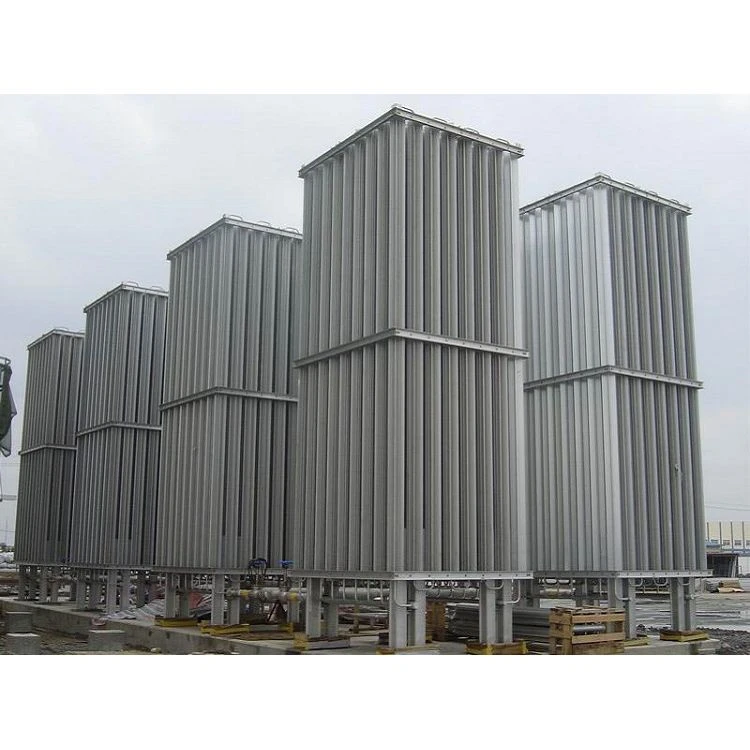
In an Open Rack LNG Vaporizer, the primary function is to transfer heat from the surrounding seawater to the liquefied natural gas (LNG) flowing through the tubes. The tubes are typically arranged in a vertical or horizontal configuration, and the spacing between them determines the flow pattern of the seawater and the LNG, as well as the amount of heat transfer surface area available.
Factors Influencing Tube Spacing
Several factors need to be considered when determining the appropriate tube spacing for an Open Rack LNG Vaporizer. These factors include:
- Heat Transfer Requirements: The primary objective of an Open Rack LNG Vaporizer is to efficiently transfer heat from the seawater to the LNG. The tube spacing affects the heat transfer coefficient, which is a measure of how effectively heat is transferred between the two fluids. A smaller tube spacing generally provides a larger heat transfer surface area, which can enhance the heat transfer rate. However, if the spacing is too small, it can lead to increased pressure drop and flow resistance, which can reduce the overall efficiency of the vaporizer.
- Flow Characteristics: The flow pattern of the seawater and the LNG through the tubes is also influenced by the tube spacing. A proper tube spacing ensures that the seawater flows smoothly around the tubes, providing uniform heat transfer and minimizing the formation of dead zones or flow stagnation. Additionally, the tube spacing affects the velocity of the fluids, which can impact the heat transfer coefficient and the pressure drop.
- Fouling and Corrosion: Over time, the tubes in an Open Rack LNG Vaporizer can be subject to fouling and corrosion, which can reduce the heat transfer efficiency and increase the pressure drop. The tube spacing can affect the ease of cleaning and maintenance of the tubes, as well as the likelihood of fouling and corrosion. A larger tube spacing can provide more space for cleaning and inspection, reducing the risk of fouling and corrosion.
- Structural Integrity: The tube spacing also needs to be designed to ensure the structural integrity of the vaporizer. The tubes need to be properly supported and spaced to withstand the mechanical stresses and vibrations during operation. A larger tube spacing can provide more room for support structures and reduce the risk of tube damage or failure.
Recommended Tube Spacing for Open Rack LNG Vaporizers
Based on our extensive experience and research in the field of Open Rack LNG Vaporizers, we recommend a tube spacing in the range of 50 to 100 millimeters (mm). This range provides a good balance between heat transfer efficiency, pressure drop, flow characteristics, fouling and corrosion resistance, and structural integrity.
A tube spacing of 50 mm can provide a relatively high heat transfer surface area, which can enhance the heat transfer rate and improve the overall efficiency of the vaporizer. However, this spacing may result in a slightly higher pressure drop and flow resistance, which needs to be carefully considered.
On the other hand, a tube spacing of 100 mm can provide more space for cleaning and maintenance, reducing the risk of fouling and corrosion. It also allows for better flow distribution and can reduce the pressure drop. However, a larger tube spacing may result in a lower heat transfer surface area, which can slightly reduce the heat transfer rate.
Ultimately, the optimal tube spacing for an Open Rack LNG Vaporizer will depend on the specific design requirements, operating conditions, and performance objectives of the project. Our team of experienced engineers can work closely with you to determine the most suitable tube spacing for your application, taking into account all the relevant factors.
Other Considerations for Open Rack LNG Vaporizers
In addition to tube spacing, there are several other important considerations when designing and operating an Open Rack LNG Vaporizer. These include:
- Tube Material and Design: The choice of tube material and design is crucial for ensuring the long-term performance and reliability of the vaporizer. The tubes need to be made of a material that is resistant to corrosion, erosion, and thermal stress. Additionally, the tube design should be optimized to maximize the heat transfer efficiency and minimize the pressure drop.
- Seawater Quality and Treatment: The quality of the seawater used in the Open Rack LNG Vaporizer can have a significant impact on its performance and lifespan. Seawater can contain various impurities, such as sand, silt, algae, and dissolved salts, which can cause fouling, corrosion, and blockages in the tubes. Therefore, it is essential to implement appropriate seawater treatment measures, such as filtration, chemical treatment, and monitoring, to ensure the quality of the seawater.
- Operating Conditions and Maintenance: The operating conditions of the Open Rack LNG Vaporizer, such as the inlet temperature and flow rate of the seawater and the LNG, can also affect its performance. It is important to operate the vaporizer within the recommended parameters and to perform regular maintenance and inspection to ensure its proper functioning.
Related Products
As an Open Rack LNG Vaporizer supplier, we also offer a range of related products that can enhance the performance and efficiency of your LNG vaporization system. These products include:
- Wound Tube Gasifier: Our Wound Tube Gasifiers are designed to provide efficient and reliable vaporization of LNG using a wound tube heat exchanger design. They offer high heat transfer efficiency, low pressure drop, and compact size, making them suitable for a wide range of applications.
- Air Vaporizer: Our Air Vaporizers use ambient air as the heat source to vaporize LNG. They are a cost-effective and environmentally friendly alternative to traditional seawater-based vaporizers, especially in areas where seawater is not readily available or where environmental regulations are strict.
- Ambient Air Heated Cryogenic Vaporizers: Our Ambient Air Heated Cryogenic Vaporizers are designed to vaporize cryogenic fluids, such as LNG, using ambient air as the heat source. They offer high efficiency, low maintenance, and reliable operation, making them ideal for a variety of industrial and commercial applications.
Contact Us for Procurement and Consultation
If you are interested in learning more about our Open Rack LNG Vaporizers or any of our related products, we encourage you to contact us for procurement and consultation. Our team of experts is available to answer your questions, provide technical support, and help you select the most suitable vaporization solution for your specific needs.
We look forward to the opportunity to work with you and to provide you with high-quality Open Rack LNG Vaporizers and related products that meet your exact requirements.

References
- Smith, J. (2018). "Design and Optimization of Open Rack LNG Vaporizers." Journal of Energy Engineering, 144(2), 04017021.
- Johnson, R. (2019). "Heat Transfer and Fluid Flow in Open Rack LNG Vaporizers." International Journal of Heat and Mass Transfer, 137, 1189-1200.
- Brown, S. (2020). "Maintenance and Operation of Open Rack LNG Vaporizers." Proceedings of the International Conference on LNG Technology, 2020, 123-132.


