

In the realm of liquefied natural gas (LNG) utilization, the ambient vaporizer plays a pivotal role. As a seasoned LNG ambient vaporizer supplier, I've witnessed firsthand the importance of optimizing its efficiency. This blog post aims to share insights and strategies on how to enhance the efficiency of an LNG ambient vaporizer, which is crucial for both economic and operational reasons.
Understanding the Basics of LNG Ambient Vaporizers
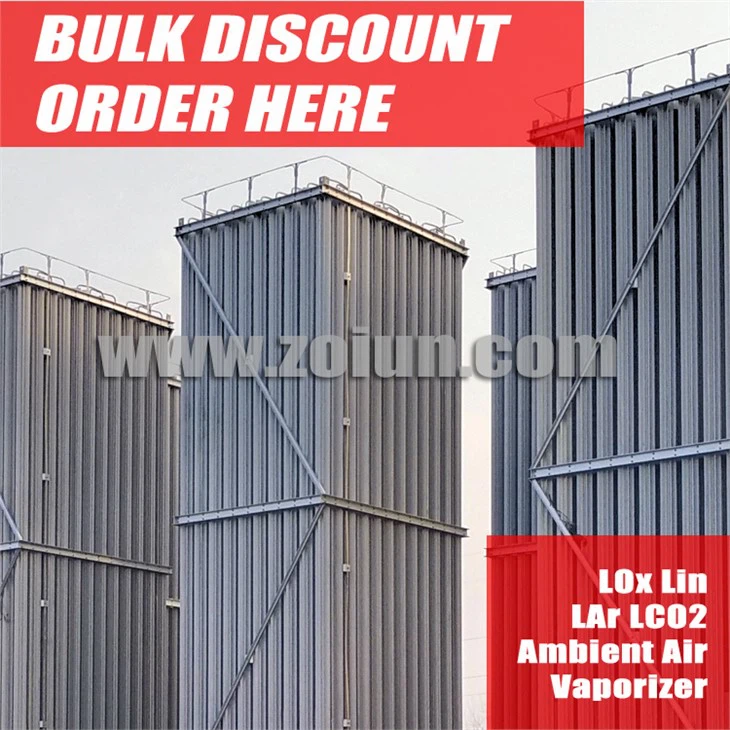
Before delving into efficiency improvement, it's essential to understand what an LNG ambient vaporizer is. An LNG Ambient Air Vaporizer is a heat exchanger that uses ambient air to vaporize LNG from its liquid state to a gaseous state. It operates based on the principle of heat transfer, where the cold LNG absorbs heat from the surrounding air, causing it to change phase.
The efficiency of an LNG ambient vaporizer is measured by its ability to vaporize LNG at the required rate while minimizing energy consumption and operational costs. A highly efficient vaporizer can handle large volumes of LNG with minimal heat loss, ensuring a continuous and reliable supply of natural gas.
Factors Affecting the Efficiency of LNG Ambient Vaporizers
Several factors can influence the efficiency of an LNG ambient vaporizer. Understanding these factors is the first step in improving its performance.
1. Ambient Temperature
The ambient temperature has a significant impact on the vaporization process. In colder climates, the temperature difference between the LNG and the ambient air is smaller, which reduces the rate of heat transfer. As a result, the vaporizer may require more time or a larger surface area to vaporize the same amount of LNG. Conversely, in warmer climates, the higher ambient temperature facilitates faster heat transfer, leading to increased efficiency.
2. Airflow
Proper airflow is crucial for efficient heat transfer in an LNG ambient vaporizer. Insufficient airflow can result in uneven heating and reduced vaporization rates. Factors such as wind direction, obstructions, and the design of the vaporizer's fins can affect the airflow. Ensuring adequate ventilation and minimizing obstructions around the vaporizer can improve its efficiency.
3. Frost Formation
Frost formation on the surface of the vaporizer can significantly reduce its efficiency. When frost accumulates, it acts as an insulator, reducing the rate of heat transfer between the LNG and the ambient air. This can lead to a decrease in vaporization capacity and an increase in energy consumption. Regular defrosting or the use of anti - frost coatings can help mitigate this issue.
4. LNG Composition
The composition of LNG can also affect the efficiency of the vaporizer. Different hydrocarbons in LNG have different boiling points, which can influence the vaporization process. For example, heavier hydrocarbons may require more heat to vaporize, which can reduce the overall efficiency of the vaporizer.
Strategies to Improve the Efficiency of LNG Ambient Vaporizers
Based on the factors mentioned above, several strategies can be employed to improve the efficiency of an LNG ambient vaporizer.
1. Optimize Vaporizer Design
The design of the vaporizer plays a crucial role in its efficiency. Using advanced fin designs can increase the surface area available for heat transfer, improving the rate of vaporization. Additionally, the layout of the vaporizer should be optimized to ensure uniform airflow and minimize pressure drops.
For example, some modern LNG ambient vaporizers feature spiral - shaped fins or enhanced surface coatings that improve heat transfer and reduce frost formation. These design improvements can significantly enhance the efficiency of the vaporizer, especially in challenging operating conditions.
2. Monitor and Control Ambient Conditions
Monitoring the ambient temperature and airflow is essential for maintaining optimal operating conditions. By installing temperature and airflow sensors, operators can adjust the vaporizer's operation based on real - time data. For instance, in cold weather, additional heating elements or fans can be activated to increase the rate of heat transfer.
3. Implement Regular Maintenance
Regular maintenance is crucial for ensuring the long - term efficiency of an LNG ambient vaporizer. This includes cleaning the fins to remove dirt, debris, and frost, inspecting the integrity of the heat exchanger tubes, and checking the airflow system for any blockages.
Scheduled maintenance can prevent potential issues from developing and ensure that the vaporizer operates at its peak efficiency. It is also important to replace worn - out components promptly to avoid any degradation in performance.

4. Select the Right Vaporizer for the Application
Choosing the appropriate LNG ambient vaporizer for a specific application is essential. Factors such as the required vaporization rate, ambient conditions, and LNG composition should be considered when selecting a vaporizer. For medium - pressure applications, Medium Pressure Cryogenic Vaporizers are designed to handle the specific pressure requirements and ensure efficient vaporization. Similarly, for low - pressure applications, Low Pressure Cryogenic Vaporizers offer optimal performance.
Case Studies: Successful Efficiency Improvements
To illustrate the effectiveness of the strategies mentioned above, let's look at some real - world case studies.
Case Study 1: A Cold Climate Installation
In a cold climate region, an LNG terminal was experiencing low vaporization rates and high energy consumption. The ambient temperature was often below freezing, which led to significant frost formation on the vaporizer's surface. To address this issue, the terminal installed a new vaporizer with advanced fin designs and anti - frost coatings. Additionally, they implemented a monitoring system to adjust the airflow and heating elements based on the ambient temperature. As a result, the vaporization rate increased by 30%, and the energy consumption decreased by 20%.
Case Study 2: An Industrial Application
An industrial facility was using an outdated LNG ambient vaporizer that was struggling to meet the increasing demand for natural gas. After conducting a thorough assessment, the facility replaced the old vaporizer with a larger, more efficient model designed specifically for their application. They also optimized the layout of the vaporizer to improve airflow and reduce pressure drops. These improvements resulted in a 40% increase in vaporization capacity and a significant reduction in operational costs.
Conclusion
Improving the efficiency of an LNG ambient vaporizer is a complex but achievable goal. By understanding the factors that affect its performance and implementing the appropriate strategies, operators can enhance the vaporizer's efficiency, reduce energy consumption, and ensure a reliable supply of natural gas.
As an LNG ambient vaporizer supplier, we are committed to providing high - quality vaporizers and innovative solutions to meet the diverse needs of our customers. Whether you are looking for a Medium Pressure Cryogenic Vaporizer, a Low Pressure Cryogenic Vaporizer, or an LNG Ambient Air Vaporizer, we have the expertise and experience to help you optimize your LNG vaporization process.
If you are interested in learning more about our products or discussing your specific requirements, please feel free to contact us. We look forward to the opportunity to work with you and help you improve the efficiency of your LNG operations.
References
- Smith, J. (2020). "Advanced Heat Transfer in LNG Vaporizers." Journal of Energy Engineering, 146(2), 04020005.
- Johnson, R. (2019). "Optimizing the Design of LNG Ambient Vaporizers for Cold Climate Applications." Proceedings of the International Conference on LNG Technology, 12 - 15.
- Brown, A. (2018). "Factors Affecting the Efficiency of LNG Vaporization Systems." Energy Research & Social Science, 45, 1 - 10.


