

What is the Cost of a Liquid Oxygen Vaporizer?
As a supplier of liquid oxygen vaporizers, I often get asked about the cost of these essential pieces of equipment. The price of a liquid oxygen vaporizer can vary significantly based on several factors, and understanding these elements is crucial for anyone looking to invest in one.
Factors Affecting the Cost
Capacity
One of the most significant factors influencing the cost of a liquid oxygen vaporizer is its capacity. Vaporizers are designed to handle different flow rates, measured in cubic meters per hour (m³/h) or other volume - based units. A small - scale vaporizer with a low flow rate, perhaps suitable for a laboratory or a small medical facility, will generally cost less than a large - capacity vaporizer used in industrial applications such as metal fabrication or chemical production. For example, a vaporizer with a capacity of 10 m³/h might be priced at a few thousand dollars, while a high - capacity vaporizer with a flow rate of 500 m³/h or more could cost tens of thousands of dollars.
Type of Vaporizer
There are different types of liquid oxygen vaporizers, and each type has its own cost structure.
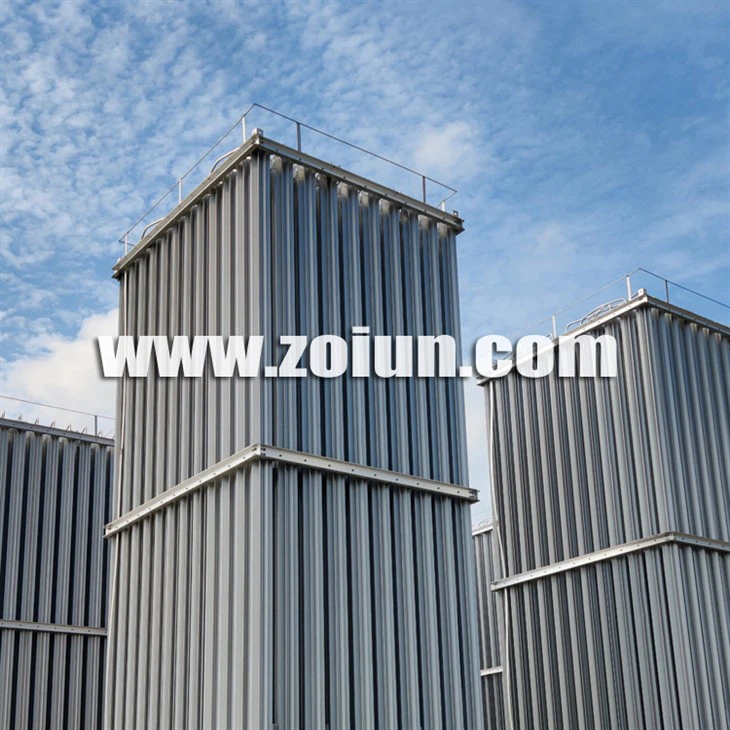
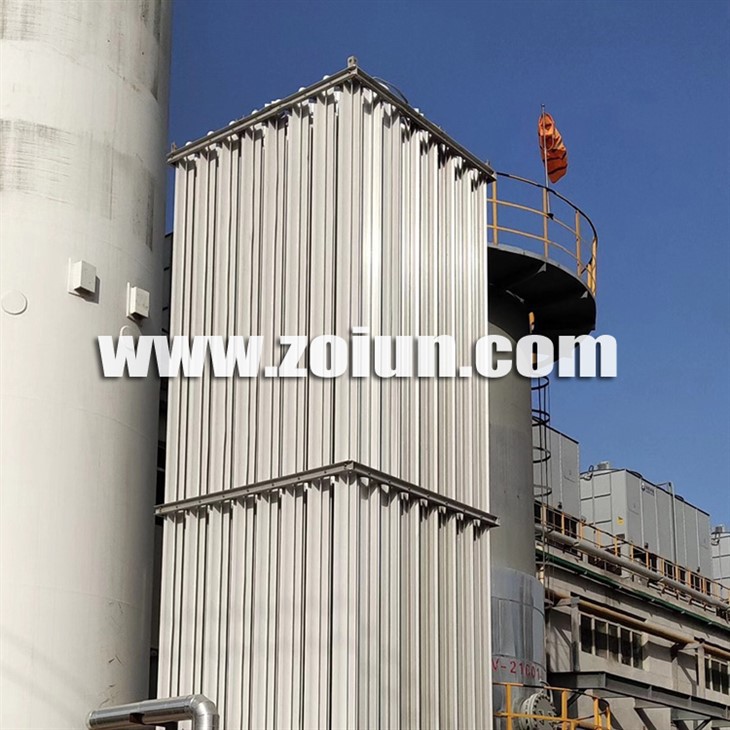
- Ambient Air Vaporizers: These vaporizers use ambient air to heat and vaporize the liquid oxygen. They are relatively simple in design and have low operating costs since they do not require an external energy source other than the surrounding air. However, their performance can be affected by environmental conditions such as temperature and humidity. You can find more information about Cryogenic Ambient Air Vaporizers. The cost of ambient air vaporizers typically ranges from a moderate to relatively high amount, depending on their capacity. Smaller ambient air vaporizers can be more affordable, while larger ones with higher capacities will be more expensive.
- Electric Vaporizers: Electric vaporizers use electricity to heat the liquid oxygen. They offer more precise control over the vaporization process and are not affected by ambient air conditions. However, they have higher operating costs due to the electricity consumption. Electric vaporizers are generally more expensive to purchase compared to ambient air vaporizers of similar capacity because of the additional electrical components and control systems.
- Steam - Heated Vaporizers: These vaporizers use steam as a heat source. They are commonly used in industrial settings where steam is readily available. The initial cost of steam - heated vaporizers can be high, mainly because of the need for steam generation equipment and the associated piping and control systems.
Material and Construction
The materials used in the construction of a liquid oxygen vaporizer also play a role in determining its cost. High - quality materials such as stainless steel or aluminum alloys are often used to ensure durability and resistance to corrosion. Stainless steel vaporizers are more expensive than those made from other materials because of the cost of the raw material and the additional processing required. Additionally, vaporizers with advanced construction techniques, such as enhanced heat transfer surfaces, will also have a higher price tag due to the increased manufacturing complexity.
Additional Features and Customization
Some liquid oxygen vaporizers come with additional features such as safety valves, pressure regulators, and control systems. These features add to the functionality and safety of the vaporizer but also increase its cost. Moreover, if a customer requires a custom - designed vaporizer to meet specific requirements, such as a unique shape or size, or integration with existing systems, the cost will be higher compared to a standard off - the - shelf model.
Cost Range Examples
To give you a better idea of the cost range, here are some approximate price examples:
- A small - capacity (around 10 - 20 m³/h) ambient air liquid oxygen vaporizer made of standard materials might cost between $2,000 and $5,000.
- A medium - capacity (around 50 - 100 m³/h) electric liquid oxygen vaporizer with basic safety features could cost between $10,000 and $20,000.
- A large - capacity (over 500 m³/h) steam - heated liquid oxygen vaporizer with advanced control systems and made of high - quality materials could cost upwards of $50,000.
Total Cost of Ownership
When considering the cost of a liquid oxygen vaporizer, it is important to look beyond the initial purchase price and consider the total cost of ownership. This includes operating costs, maintenance costs, and potential downtime costs.
- Operating Costs: As mentioned earlier, different types of vaporizers have different operating costs. Ambient air vaporizers have low operating costs since they rely on ambient air, while electric and steam - heated vaporizers have higher operating costs due to energy consumption.
- Maintenance Costs: Regular maintenance is required to ensure the proper functioning and safety of a liquid oxygen vaporizer. This includes inspections, cleaning, and replacement of parts. The maintenance cost will depend on the type of vaporizer, its complexity, and the frequency of maintenance.
- Downtime Costs: In the event of a vaporizer breakdown, there will be downtime, which can result in lost production and additional costs. Choosing a reliable vaporizer with a good track record can help minimize downtime costs.
Making an Informed Decision
When purchasing a liquid oxygen vaporizer, it is essential to evaluate your specific needs and budget. Consider the following steps:
- Assess Your Requirements: Determine the required capacity, type of vaporizer, and any additional features based on your application. For example, if you are in a cold climate, an electric or steam - heated vaporizer might be more suitable than an ambient air vaporizer.
- Research Different Suppliers: Look for reputable suppliers who offer high - quality vaporizers. Compare the prices, features, and after - sales services of different suppliers. As a supplier, we pride ourselves on providing reliable products and excellent customer support.
- Calculate the Total Cost of Ownership: Consider not only the initial purchase price but also the long - term operating, maintenance, and downtime costs. This will give you a more accurate picture of the overall cost of the vaporizer.
If you are in the market for a liquid oxygen vaporizer, whether it is a LCO2 Ambient Vaporizer or a Liquid Nitrogen Vaporizer, we encourage you to contact us for a detailed quote. Our team of experts can help you select the right vaporizer for your specific needs and provide you with all the information you need to make an informed decision.
References
- "Cryogenic Vaporizer Technology Handbook"
- Industry reports on cryogenic equipment manufacturing and pricing
We are here to assist you in your procurement process. If you have any questions or would like to discuss your requirements further, feel free to reach out to us. We look forward to the opportunity to work with you and provide you with a high - quality liquid oxygen vaporizer that meets your needs and budget.


