

As a supplier of regasification plants, I've witnessed firsthand the intricate web of interactions these facilities have with other energy installations in their vicinity. Regasification plants play a pivotal role in the energy landscape, especially in the liquefied natural gas (LNG) supply chain. Their operations are closely intertwined with various other energy facilities, creating a symbiotic relationship that impacts the overall energy security and efficiency of a region.
Interaction with LNG Terminals
LNG terminals are the primary source of supply for regasification plants. These terminals receive LNG carriers from across the globe, storing the liquefied gas in large cryogenic tanks. The regasification plant then draws on this stored LNG, transforming it back into its gaseous state for distribution.
The connection between LNG terminals and regasification plants is highly coordinated. The terminal operators need to ensure a continuous supply of LNG to meet the demand of the regasification process. This involves careful scheduling of LNG carrier arrivals and departures, as well as maintaining optimal storage levels. In return, the regasification plant provides a reliable outlet for the LNG stored at the terminal, preventing over - storage and ensuring efficient use of terminal facilities.
For example, in areas with high natural gas demand, the regasification plant may operate at full capacity, requiring a steady stream of LNG from the terminal. Terminal operators may need to increase the frequency of LNG shipments to meet this demand. Conversely, during periods of low demand, the regasification plant may reduce its operations, allowing the terminal to manage its storage more effectively.
Synergy with Power Plants
Power plants are major consumers of the natural gas produced by regasification plants. Natural gas - fired power plants offer a cleaner and more efficient alternative to coal - fired plants, and they rely on a stable supply of gaseous natural gas.

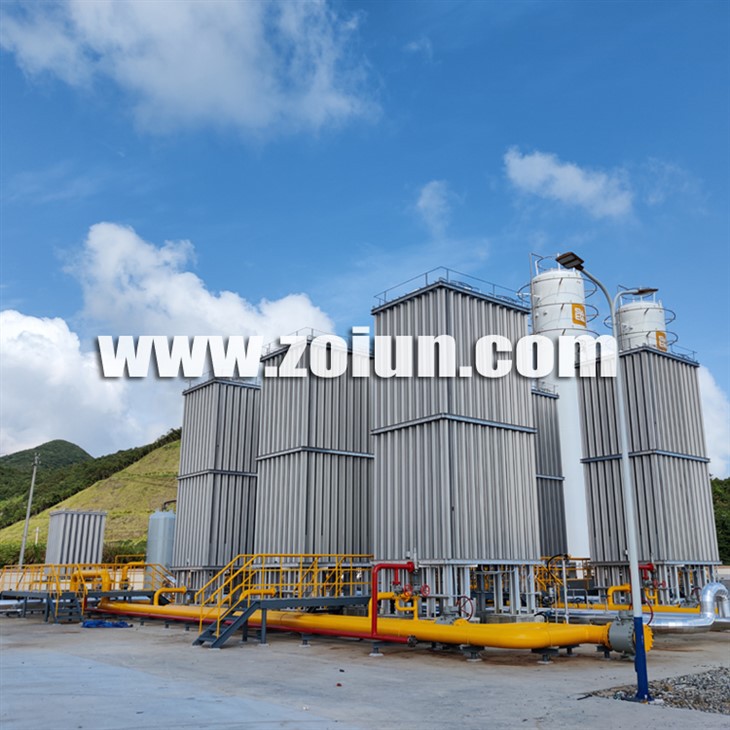
Regasification plants can provide a reliable source of fuel for power generation. The proximity of a regasification plant to a power plant can significantly reduce transportation costs and improve the overall efficiency of the energy system. For instance, a combined - cycle gas turbine (CCGT) power plant can achieve high levels of efficiency by using the waste heat from the gas turbine to generate additional electricity. A nearby regasification plant can ensure that the power plant has a continuous supply of natural gas, enabling it to operate at peak efficiency.
Moreover, power plants can also influence the operations of regasification plants. In times of high electricity demand, power plants may require more natural gas, prompting the regasification plant to increase its production. On the other hand, during periods of low electricity demand, the power plant may reduce its consumption, allowing the regasification plant to adjust its operations accordingly.
Collaboration with Industrial Consumers
Industrial facilities such as chemical plants, refineries, and manufacturing plants also consume large amounts of natural gas. These industries use natural gas as a feedstock for various chemical processes or as a source of heat and power.
Regasification plants can form partnerships with industrial consumers to meet their specific gas requirements. Industrial consumers often have strict quality and quantity requirements for the natural gas they use. The regasification plant can customize its operations to produce natural gas that meets these specifications. For example, some industrial processes may require natural gas with a specific calorific value or a low sulfur content. The regasification plant can adjust its processes to ensure that the delivered gas meets these standards.
In addition, industrial consumers can provide a stable demand base for the regasification plant. This long - term demand can help the regasification plant secure financing and plan its operations more effectively. For example, a chemical plant may enter into a long - term supply contract with the regasification plant, guaranteeing a certain volume of gas consumption over a specified period.
Integration with Pipeline Networks
Pipeline networks are the backbone of natural gas distribution. Regasification plants are connected to these networks to transport the regasified natural gas to end - users. The integration of regasification plants with pipeline networks is crucial for ensuring the widespread availability of natural gas.
Regasification plants need to ensure that the pressure and flow rate of the gas entering the pipeline are compatible with the pipeline's design specifications. This may require additional compression and metering equipment at the regasification plant. Pipeline operators, on the other hand, need to manage the flow of gas in the network to ensure that it reaches the intended destinations efficiently.
The connection between regasification plants and pipeline networks also allows for the flexibility of gas distribution. In case of a pipeline outage or maintenance, the regasification plant can adjust its operations to supply gas to alternative areas or facilities. Similarly, pipeline operators can redirect gas from different sources, including multiple regasification plants, to meet changing demand patterns.
Our Offerings: Small Scale LNG Regasification Plant, LNG Regasification Plant, and Regasification Unit
As a supplier, we offer a range of regasification solutions, including Small Scale LNG Regasification Plant, LNG Regasification Plant, and Regasification Unit. Our small - scale regasification plants are ideal for areas with limited natural gas demand or for specific industrial applications. They are compact, easy to install, and can be customized to meet the unique requirements of our customers.
Our large - scale LNG regasification plants are designed to handle high volumes of LNG and are suitable for major energy hubs and areas with high natural gas demand. These plants are equipped with state - of - the - art technology to ensure efficient and reliable operation.
Our regasification units are modular and can be integrated into existing energy facilities or used as standalone units. They offer a cost - effective solution for customers looking to add regasification capabilities to their operations.
Contact for Procurement
If you are interested in our regasification plant solutions and would like to discuss your specific requirements, we invite you to contact us for a detailed consultation. Our team of experts is ready to provide you with comprehensive information and help you find the best regasification solution for your needs.
References
- International Gas Union (IGU). "LNG Industry Report."
- U.S. Energy Information Administration (EIA). "Natural Gas Annual."
- World Bank. "Energy Sector Management Assistance Program (ESMAP) Reports on Natural Gas Infrastructure."


